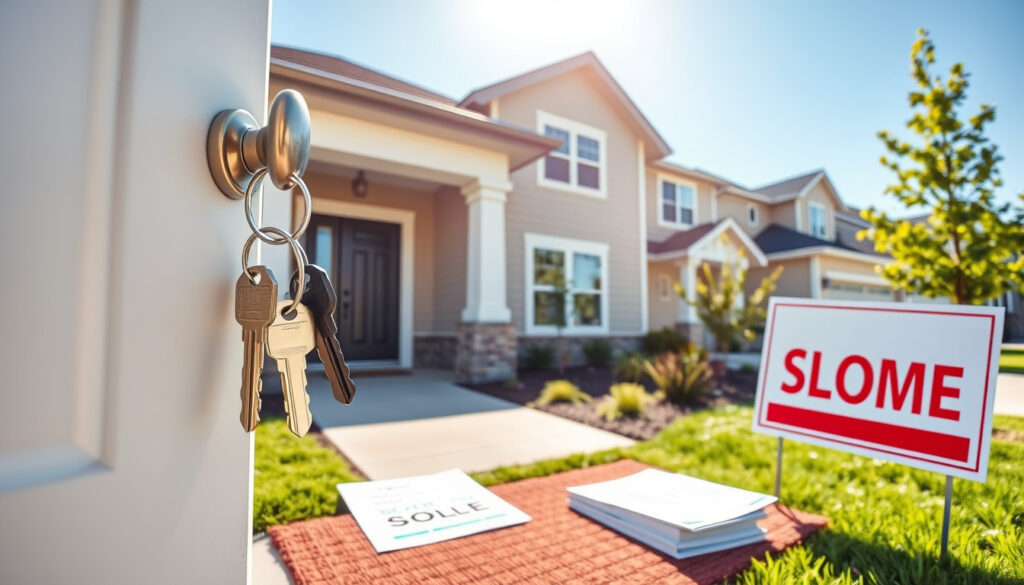
First Home Buyers Scheme – Eligibility Grants and Application Guide
Australia offers a range of government initiatives designed to help first home buyers enter the property market. These programs provide financial support through grants, guarantees, and concessions, making homeownership more accessible for those without existing property assets.
The landscape of first home buyer assistance in Australia includes both federal and state-level schemes. Each program operates under different rules, eligibility criteria, and benefit structures, meaning the support available to any individual buyer depends heavily on their location, income level, and personal circumstances.
This guide provides a comprehensive overview of the major schemes currently available, their key requirements, and how buyers can access them in 2025.
What is the First Home Buyers Scheme?
The term “First Home Buyers Scheme” encompasses multiple government programs at both federal and state or territory levels. These schemes are designed to reduce the financial barriers that many Australians face when trying to purchase their first property, particularly the challenge of saving a large deposit while navigating rising property prices.
First Home Guarantee
First-time buyers, Australian citizens or permanent residents
5% deposit guarantee, no Lenders Mortgage Insurance
Housing Australia
The primary federal schemes include the First Home Guarantee, Help to Buy, and the First Home Super Saver Scheme. State and territory governments administer their own additional grants and stamp duty concessions, creating a patchwork of support that varies significantly across jurisdictions.
Key Facts About First Home Buyer Programs
- The First Home Guarantee allows eligible buyers to purchase with just a 5% deposit, with the government guaranteeing the remaining amount to participating lenders.
- As of October 1, 2025, the First Home Guarantee scheme expanded with unlimited places, no income caps, and no waitlists.
- Help to Buy is a shared equity scheme where the government contributes up to 30% toward existing homes or 40% toward newly built homes.
- The First Home Owner Grant amounts vary by state, ranging from $10,000 to $50,000 depending on location and property type.
- Stamp duty exemptions and concessions are available in most states for eligible first home buyers.
- Property price caps apply to most schemes and vary by location, with metro areas typically having higher caps.
- Most schemes require the property to be owner-occupied as a principal place of residence.
| Scheme | Grant/Guarantee | Max Income (Singles) | Price Cap (Metro) |
|---|---|---|---|
| First Home Guarantee | 5% deposit guarantee | No cap (from Oct 2025) | Location-based |
| Help to Buy | Up to 30-40% equity share | $100,000 | Location-based |
| First Home Super Saver | Withdraw super contributions | No specific cap | No cap |
| FHOG (varies by state) | $10,000-$50,000 | Varies by state | Varies by state |
Who is Eligible for the First Home Buyers Scheme?
Eligibility requirements differ across schemes, but several core criteria apply broadly. Most programs require applicants to be at least 18 years old, an Australian citizen or permanent resident, and a genuine first home buyer who has not previously owned property in Australia.
Basic Eligibility Requirements
For the First Home Guarantee, applicants must not have owned property in Australia previously, either individually or jointly with a spouse or partner. At least one applicant must be an Australian citizen or permanent resident, and the property purchased must be owner-occupied.
The Help to Buy scheme imposes stricter requirements. Applicants must be Australian citizens only, with annual taxable income at or below $100,000 for individuals or $160,000 for single parents and joint applicants. Importantly, applicants cannot currently own any property in Australia or overseas.
While the First Home Guarantee removed income caps in October 2025, the Help to Buy scheme maintains income limits of $100,000 for individuals and $160,000 for couples or single parents. These thresholds apply to annual taxable income as assessed by the Australian Taxation Office.
State and Territory Variations
Each state and territory sets its own eligibility rules for First Home Owner Grants and stamp duty concessions. Some states treat New Zealand citizens holding a Special Category Visa as permanent residents for eligibility purposes, while others do not.
Property requirements also vary. Most jurisdictions require the property to be newly built, off-the-plan, or substantially renovated. Established homes may not qualify for certain grants in some states but could qualify in others.
How to Apply for the First Home Buyers Scheme
The application process differs slightly between schemes, but the general steps follow a similar pattern. For the First Home Guarantee, buyers begin by checking their eligibility through the online tool available on the First Home Buyers government website.
First Home Guarantee Application Steps
- Check eligibility: Use the online eligibility checker on the First Home Buyers website, which takes only minutes to complete.
- Contact a participating lender: Approach a bank or lender that participates in the scheme. They will assess your financial situation, guide you through loan options, and submit your application.
- Provide documentation: Required documents include full name, date of birth, Medicare number (or PMKey if relevant), proof of citizenship or residency, and a completed Home Buyer Declaration form.
- Search for a home: Once pre-approved, you have 90 days to find a suitable property and sign a contract of sale.
- Complete settlement: Your lender manages the final loan processes and settlement with the participating lender’s support.
Can First Home Buyers Use Super for Deposit?
The First Home Super Saver Scheme allows eligible first home buyers to withdraw voluntary super contributions they have made since July 1, 2017, along with associated earnings, to help fund a property purchase. This scheme is administered by the Australian Taxation Office and operates independently from the First Home Guarantee.
Buyers can access up to $15,000 of their own voluntary super contributions per year, up to a total of $50,000 across all years, to purchase their first home. The withdrawn amounts must be put toward a residential property purchase and the buyer must meet the definition of a first home buyer.
How Much Support Do First Home Buyers Get?
The financial support available through first home buyer schemes varies considerably depending on which programs buyers access, their location, and the type of property they purchase. Combining multiple schemes can significantly reduce upfront costs.
First Home Owner Grant Amounts by State
| State/Territory | Grant Amount | Property Value Cap | Notes |
|---|---|---|---|
| New South Wales | $10,000 | Varies | New homes typically required |
| Victoria | $10,000 | Varies | New homes typically required |
| Queensland | Up to $30,000 | No cap | New homes typically required |
| South Australia | $15,000 | No cap (new contracts) | New homes typically required |
| Tasmania | $10,000 | No cap | Reduced from $30,000 in July 2024 |
| Northern Territory | $50,000 (new) / $10,000 (established) | No cap | Under HomeGrown Territory Grant |
| Australian Capital Territory | No grant available | — | Replaced by Home Buyer Concession Scheme |
Beyond grants, first home buyers can access substantial stamp duty savings. South Australia offers full duty relief for eligible buyers with no property value cap on contracts signed after June 6, 2024. Tasmania eliminates duty entirely for properties valued at $750,000 or less from February 18, 2024. The ACT provides full exemption for properties under $1 million, subject to income testing.
Property Price Caps
Most schemes apply property price caps that vary by location, with metro areas typically allowing higher purchase prices than regional areas. The Regional First Home Buyer Guarantee, a variant of the First Home Guarantee, requires the property to be purchased and occupied in a regional area.
As of October 2025, property price caps for the First Home Guarantee have been increased. Buyers should verify current caps for their specific location using the official eligibility tools, as these thresholds are subject to periodic updates.
Is the First Home Buyers Scheme Still Available?
Several major changes took effect on October 1, 2025, representing the most significant expansion of the First Home Guarantee scheme since its inception. These updates removed many previous restrictions and broadened access to the program.
Key October 2025 Changes
- Income caps removed: The previous income limits of $125,000 for singles and $200,000 for couples were eliminated, allowing higher-income earners to access the scheme.
- Unlimited places introduced: The scheme moved from a waitlist system to unlimited places, removing the cap on how many buyers could access the guarantee each year.
- Property price caps increased: Price caps were raised across all locations, expanding the range of properties that qualify for the scheme.
- Lenders Mortgage Insurance eliminated: Buyers no longer need to pay LMI, which previously added thousands of dollars to loan costs.
- General Stream added: A new pathway opened for first home buyers and those who have not purchased property in the last 10 years.
- Family Home Guarantee enhanced: Single parents and legal guardians with at least one dependent can access the scheme with just a 2% deposit, even if they previously owned property.
Property price caps and eligibility details vary by location and change periodically. Buyers should use the official eligibility checker on the First Home Buyers website or consult directly with participating lenders to confirm current requirements before making purchasing decisions.
Understanding What Is Confirmed and What Remains Unclear
| Established Information | Information Requiring Verification |
|---|---|
| First Home Guarantee allows 5% deposit purchases without LMI | Specific property price caps by suburb or region |
| Help to Buy has 10,000 places available annually | Exact processing times for applications |
| FHOG amounts vary significantly by state | Whether NZ citizens qualify in specific states |
| October 2025 removed income caps for First Home Guarantee | Future policy changes beyond 2025 |
State and Territory Variations
The First Home Owner Grant is administered separately by each state and territory, meaning the amounts, conditions, and availability differ across the country. Buyers planning to purchase in a particular location should familiarise themselves with that jurisdiction’s specific rules.
Queensland offers the most generous FHOG with up to $30,000 available for new home purchases. Northern Territory provides $50,000 for new homes and $10,000 for established properties. In contrast, the Australian Capital Territory eliminated its FHOG in July 2019, replacing it with the Home Buyer Concession Scheme which offers stamp duty exemptions instead.
Tasmania reduced its grant from $30,000 to $10,000 from July 1, 2024, marking a significant decrease in support for new home buyers in that state. South Australia increased its property value cap to no maximum for contracts signed after June 6, 2024.
Official Sources and Further Information
The First Home Guarantee is administered by Housing Australia and provides a government guarantee to participating lenders, enabling eligible buyers to purchase property with a smaller deposit while avoiding the cost of Lenders Mortgage Insurance.
— Housing Australia, Home Guarantee Scheme information
Buyers seeking detailed information about their eligibility and the specific schemes available to them should consult the official government resources. The First Home Buyers website provides eligibility checkers, scheme details, and links to participating lenders. State and territory revenue offices handle First Home Owner Grant applications and stamp duty concession queries.
For those considering using the First Home Super Saver Scheme, the Australian Taxation Office website provides detailed guidance on contribution limits, withdrawal procedures, and associated tax implications.
Key Takeaways
Australia’s first home buyer schemes represent a coordinated effort across federal, state, and territory governments to support property ownership. The October 2025 expansion of the First Home Guarantee removed significant barriers, including income caps and waitlists, making the program more accessible than ever before. For more details on managing your finances while saving for a home, see our guide on Virgin Money Login.
The combination of deposit guarantees, grants, and stamp duty concessions can substantially reduce the upfront costs of purchasing a first home. However, eligibility requirements, grant amounts, and property price caps vary significantly by location, making it essential for buyers to verify the specific requirements for their circumstances and intended purchase location.
Frequently Asked Questions
What documents are needed to apply for the First Home Buyers Scheme?
Applicants typically need to provide proof of identity including full name, date of birth, and Medicare number or PMKey. Proof of Australian citizenship or permanent residency is required, along with a completed Home Buyer Declaration form. Your participating lender may request additional financial documentation during the assessment process.
Can both joint applicants be first home buyers?
Yes, when two or more people apply together and none have previously owned property in Australia, both can be considered first home buyers. Each applicant must meet the eligibility criteria for the specific scheme, including the age requirement of at least 18 years and residency status.
What happens if the property price exceeds the cap?
If a property’s purchase price exceeds the relevant price cap, the buyer may not qualify for the scheme in that location. Price caps vary by suburb and property type. Buyers should verify the applicable cap for their intended purchase location before making an offer.
Is the First Home Owner Grant available for established homes?
This depends on the state or territory. Most jurisdictions require properties to be newly built, off-the-plan, or substantially renovated to qualify for the FHOG. Northern Territory is an exception, offering $10,000 for established homes under its HomeGrown Territory Grant program.
How long does it take to process a First Home Guarantee application?
The initial eligibility check takes minutes through the online tool. The overall timeline depends on factors including the lender’s processing speed, the complexity of the application, and how quickly the buyer provides required documentation. Once pre-approved, buyers have 90 days to find a property and sign a contract.
Can I use the First Home Guarantee and Help to Buy simultaneously?
These schemes operate independently and have different eligibility requirements. Buyers should carefully review whether they meet the criteria for each program. The Help to Buy scheme involves shared equity with the government, while the First Home Guarantee provides a deposit guarantee without equity sharing.
Do I need a minimum income to qualify for first home buyer schemes?
The First Home Guarantee no longer has income caps following the October 2025 changes. However, Help to Buy maintains income thresholds of $100,000 for individuals and $160,000 for couples or single parents. Most state-based grants do not impose specific income limits but do consider residency and property ownership history.
More related posts
 Daniel Craig: Children, Why He Quit Bond, and Family Life
 Scooby-Doo: Characters, LGBTQ Milestone & British Slang
 Ragnar Lothbrok: Real Viking Legend or TV Character
 Punjab Kings vs Kolkata Knight Riders Match Scorecard – IPL 2026
 Alisha Boe: Real Name, Ethnicity, and Acting Career
 What Is a Polygon? Definition, Types, and Examples
 Jesse Jackson: Civil Rights Icon, PSP Diagnosis, and Legacy
 Luke Hodge: Face Injury, Hall of Fame, Net Worth, Wife & Kids