
Mushroom Trial Update – Erin Patterson Guilty Verdict
A Victorian jury has found Erin Patterson guilty of murdering three relatives and attempting to murder a fourth by serving beef Wellington laced with lethal death cap mushrooms. The verdict, delivered in June 2025, concluded a seven-week trial that examined the circumstances surrounding a fatal lunch in the small Gippsland town of Leongatha.
The 50-year-old host had pleaded not guilty to all charges, maintaining that the poisoning of her former in-laws and their relatives on July 29, 2023, was accidental. Prosecutors argued she deliberately harvested toxic fungi and orchestrated a sustained deception to conceal her actions.
What is the latest update on the mushroom trial?
The Supreme Court of Victoria at Morwell delivered its final judgment on June 14, 2025, finding Patterson guilty on three counts of murder and one count of attempted murder. Justice Beale presided over the proceedings, which began on April 29, 2025, and featured extensive forensic testimony and cross-examination by Crown prosecutor Nanette Rogers.
Erin Patterson, 50, Leongatha
3 counts murder, 1 count attempted murder
July 29, 2023 (fatal lunch)
Guilty (June 14, 2025)
Key developments
- The jury rejected Patterson’s defense that the poisoning was accidental, accepting the prosecution’s theory of intentional harm.
- Evidence showed Patterson purchased a food dehydrator shortly before the lunch and discarded it afterward; forensic testing detected death cap toxins on the appliance.
- Phone records and location data placed Patterson in Gippsland towns where death cap mushrooms grow, contradicting her claims of purchasing fungi from a Melbourne supermarket.
- The Asian grocery in Mount Waverley she claimed to have purchased dried mushrooms from did not exist at the specified location.
- Justice Beale instructed jurors that they must acquit if reasonable doubt existed regarding Patterson’s intent to kill or cause serious injury.
Case facts at a glance
| Element | Details |
|---|---|
| Accused | Erin Patterson, 50, Leongatha |
| Victims (deceased) | Don Patterson (70), Gail Patterson (70), Heather Wilkinson (66) |
| Survivor | Ian Wilkinson (71) |
| Location | Patterson’s residence, Leongatha, Victoria |
| Incident date | |
| Mushroom species | Amanita phalloides (death cap) |
| Charges | 3 counts murder, 1 count attempted murder |
| Plea | Not guilty |
| Trial start | |
| Verdict date | |
| Court | Supreme Court, Morwell |
| Presiding judge | Justice Beale |
What happened in the mushroom poisoning case?
On July 29, 2023, Patterson invited her former parents-in-law Don and Gail Patterson, along with Gail’s sister Heather Wilkinson and Heather’s husband Ian Wilkinson, to her Leongatha home for a midday meal. The centerpiece was a beef Wellington prepared with mushrooms that Patterson later claimed were a mix of store-bought and foraged varieties.
Within 24 hours, all four guests exhibited symptoms consistent with Amanita phalloides toxicity. Don Patterson, Gail Patterson, and Heather Wilkinson died on August 4, 2023, from multiple organ failure. Ian Wilkinson survived after receiving a liver transplant and intensive medical intervention.
Who were the victims?
Don and Gail Patterson, both 70, were Erin Patterson’s former in-laws. Gail’s sister Heather Wilkinson, 66, and Heather’s husband Ian Wilkinson, 71, completed the group. Simon Patterson, Erin’s estranged husband, had been invited but did not attend the lunch; he later became a peripheral figure when initial charges included five counts of attempted murder against him, which were subsequently dropped.
What mushrooms were involved?
Laboratory analysis confirmed the presence of Amanita phalloides, commonly known as the death cap mushroom. Native to Europe but naturalized in parts of Australia, the fungus contains amatoxins that destroy the liver and kidneys. A single cap can deliver a fatal dose, and symptoms typically delayed—appearing 6 to 24 hours after ingestion—often lead to a false recovery period before catastrophic organ failure.
Ian Wilkinson’s survival required emergency liver transplantation, a rare and complex procedure following toxic mushroom ingestion. Medical teams noted his recovery was exceptional given the severity of the poisoning, which forensic specialists testified was consistent with a substantial dose of amatoxins.
How did the poisoning occur?
Prosecutors argued Patterson deliberately integrated death cap mushrooms into the beef Wellington filling. Evidence indicated she used a separate plate for her own portion and fabricated symptoms of illness to deflect suspicion. Her initial explanation—that she purchased dried mushrooms from an Asian supermarket in Mount Waverley—collapsed when investigators determined no such business operated at the location she specified.
Alternative explanations offered by the defense suggested accidental contamination during foraging, though Patterson denied harvesting wild fungi. Forensic botanists testified that death caps grow in specific Gippsland localities, including Loch and Outtrim, where phone records placed Patterson in the months preceding the lunch.
Who is Erin Patterson and what are the charges?
Erin Patterson, then 49, was a resident of Leongatha, a regional community in South Gippsland approximately 135 kilometers southeast of Melbourne. She worked in administrative roles and had separated from Simon Patterson, the son of victims Don and Gail, prior to the incident. The lunch was ostensibly arranged to discuss family matters, though prosecutors suggested Patterson fabricated a cancer diagnosis to ensure attendance.
What are the charges against Erin Patterson?
The Supreme Court indictment initially contained eight charges: three counts of murder relating to the deaths at the lunch, one count of attempted murder concerning Ian Wilkinson, and five counts of attempted murder alleged against Simon Patterson in connection with separate incidents. The prosecution elected not to proceed with the charges involving Simon Patterson, leaving four counts for the jury’s consideration.
Before the trial commenced, prosecutors withdrew five counts of attempted murder against Simon Patterson, Erin Patterson’s estranged husband. These charges had alleged prior poisoning attempts unrelated to the July 2023 lunch, but insufficient evidence or strategic considerations led to their dismissal.
Under oath, Patterson issued a triple denial: “I did not intend to poison anyone, I did not intend to harm anyone, and I did not intend to mislead anyone.” She maintained that any false statements to police stemmed from panic rather than guilt, and disputed medical testimony regarding her own alleged symptoms.
When did the mushroom trial start and what is the schedule?
The trial commenced on April 29, 2025, at the Supreme Court in Morwell, a regional center selected for its proximity to Leongatha and the original crime scene. The location allowed jurors to understand the geographic context of the alleged foraging sites and the accused’s movements between towns.
The prosecution presented evidence through May and early June, including CCTV footage of Patterson disposing of a food dehydrator at a Koonwarra waste facility, forensic analysis of kitchen equipment, and testimony from mycologists regarding death cap habitats. Patterson testified in her own defense during the final week of proceedings, facing rigorous cross-examination by Nanette Rogers regarding inconsistencies in her accounts to police and medical personnel.
Closing arguments concluded on June 13, 2025. Justice Beale delivered his charge to the jury the following morning, emphasizing the requirement for proof beyond reasonable doubt regarding Patterson’s specific intent to kill or cause grievous bodily harm. The jury returned unanimous guilty verdicts on all counts by midday.
How did the Leongatha mushroom case unfold chronologically?
- July 29, 2023: Patterson hosts lunch at her Leongatha home; guests consume beef Wellington containing death cap mushrooms. Source
- August 4, 2023: Don Patterson, Gail Patterson, and Heather Wilkinson die from organ failure; Ian Wilkinson undergoes liver transplant. Source
- August 14, 2023: Police record Patterson’s statement claiming she purchased dried mushrooms from a Mount Waverley supermarket. Source
- November 3, 2023: Patterson arrested and charged with three murders and five attempted murders; the latter counts related to Simon Patterson were later dropped. Source
- April 29, 2025: Trial begins at the Supreme Court in Morwell, Victoria. Source
- May 19, 2025: Evidence presented regarding Patterson’s visits to Loch and Outtrim, established death cap habitats, and CCTV footage of dehydrator disposal. Source
- June 14, 2025: Trial concludes; jury returns guilty verdict on three counts of murder and one count of attempted murder. Source
What facts are established and what remains uncertain?
The trial resolved several factual disputes while leaving certain questions unanswered. The jury’s verdict established criminal liability, though specific mechanisms of the alleged crime retain ambiguity.
| Established Facts | Uncertain Elements |
|---|---|
| Three deaths resulted from Amanita phalloides poisoning following lunch at Patterson’s home. | The precise origin of the mushrooms remains disputed; Patterson’s claimed supermarket did not exist. |
| Patterson served the meal and was the sole common factor in the poisoning. | Whether Patterson genuinely consumed toxic mushrooms herself or simulated illness to avoid suspicion. |
| She purchased a dehydrator shortly before the incident and discarded it afterward. | The complete motive, beyond strained family relations, remains partially unexplained. |
| Phone records confirm visits to areas where death caps grow. | Whether prior alleged attempts against Simon Patterson occurred (charges withdrawn without admission). |
| The jury found her guilty of murder and attempted murder with intent. | Specific calculations regarding dosage or timing of toxin administration. |
What is the significance of the Leongatha mushroom case?
The case represents one of Australia’s rare prosecutions for murder by natural toxic agents, leveraging forensic mycology and digital surveillance to establish intent. The use of wild-poisonous fungi as an alleged murder weapon required prosecutors to demonstrate specialized knowledge and deliberate procurement, distinguishing the act from accidental foraging errors that occasionally occur in Australia’s wild mushroom foraging community. The jury returned a guilty verdict on three counts of murder and one count of attempted murder, as detailed in the Erin Patterson guilty verdict.
Geographically, the trial highlighted the distribution of death cap mushrooms in Gippsland’s moist, autumnal forests, particularly around former town sites like Outtrim and Loch. Grange Road Medical – Clinics Location Doctors Hours provides context regarding medical response capabilities in regional areas, though the immediate treatment in this case occurred at metropolitan hospitals equipped for transplantation.
What have key figures said about the case?
Court transcripts reveal starkly contrasting narratives. The prosecution framed Patterson’s actions as calculated and sustained, while the defendant maintained her innocence through direct testimony.
“I did not intend to poison anyone. I did not intend to harm anyone. I did not intend to mislead anyone.”
— Erin Patterson, trial testimony, June 2025
The prosecution characterized Patterson’s conduct as a “sustained cover-up,” highlighting discrepancies between her statements to police and forensic evidence regarding the dehydrator and mushroom sourcing.
— Crown Prosecutor Nanette Rogers, closing address
“If you have a reasonable doubt about whether the accused intended to kill or cause really serious injury, you must acquit.”
— Justice Beale, jury directions
What is the current status of the mushroom trial?
The trial concluded on June 14, 2025, with guilty verdicts on all counts. Erin Patterson awaits sentencing, facing mandatory life imprisonment terms for the murder convictions. The case has drawn international attention to forensic mycology and the dangers of Amanita phalloides in Australian ecosystems. Further developments in Victorian legal proceedings can be contextualized against major state events like Gather Round 2026 – Event History and Future Outlook, marking the intersection of regional justice and community programming.
Frequently asked questions
What is the mushroom trial?
The “mushroom trial” refers to the criminal prosecution of Erin Patterson for allegedly murdering three relatives and attempting to murder a fourth by serving them a meal containing poisonous death cap mushrooms in July 2023.
Is there a verdict yet?
Yes. On June 14, 2025, a Supreme Court jury found Erin Patterson guilty of three counts of murder and one count of attempted murder.
What is the trial location?
The trial was held at the Supreme Court of Victoria in Morwell, a regional city in Gippsland, selected for its proximity to the crime scene in Leongatha.
What are death cap mushrooms?
Amanita phalloides is a highly toxic fungus containing amatoxins that destroy the liver and kidneys. Native to Europe, it grows in parts of Australia and is responsible for the majority of fatal mushroom poisonings worldwide.
Who is Ian Wilkinson?
Ian Wilkinson, 71, is the sole survivor of the fatal lunch. He is the widower of victim Heather Wilkinson and underwent emergency liver transplantation following the poisoning.
What were the initial charges?
Originally, Patterson faced three murder charges, one attempted murder charge concerning Ian Wilkinson, and five attempted murder charges regarding her estranged husband Simon Patterson. The five counts relating to Simon Patterson were withdrawn before trial.
How long did the trial last?
The trial commenced on April 29, 2025, and concluded with the verdict on June 14, 2025, lasting approximately seven weeks including jury selection and deliberation.
More related posts
 Where to Watch India vs Australia Cricket Live Streaming
 Bunnings Narre Warren: Hours, Phones, Products & Locations
 Timothée Chalamet: Romance, Net Worth, Age & Controversy
 Ava Max: Disappearance, Biography, Personal Life, 2026 Comeback
 Magic Ring Crochet: Step-by-Step Tutorial for Beginners
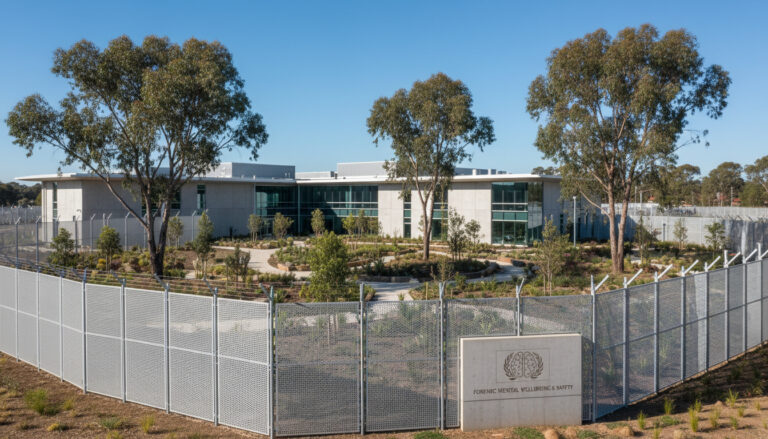 Thomas Embling Hospital – Victoria’s Forensic Mental Health Hub
 Stranger Things Season 2 – Plot, Cast and Ending Guide
 Leka Halasima: Biography, Age, Career, and Net Worth